

How to Choose the Right Stainless Steel Filter Housing for Your Industry
When it comes to industrial filtration, the filter housing is often treated as an afterthought. Most of the attention goes to the filter media itself, whether it is the cartridge, the bag, or the membrane. But the housing is what holds everything together under pressure, in corrosive environments, and across thousands of operating hours. Choosing the wrong one does not just affect filtration performance. It affects your maintenance schedule, your operating costs, and in some industries, your compliance standing.
This guide is written for engineers, procurement teams, and plant managers who want a clear and practical framework for making the right call. No unnecessary complexity, just the factors that actually matter.
1. Start With Your Process Fluid
The single most important starting point is understanding what fluid you are filtering. Everything else follows from this.
Some fluids are relatively forgiving. General water, cooling water, and low-concentration chemical solutions can be handled by a wide range of materials. Others are not. Chlorinated compounds, acids, saline solutions, and oxidising agents will destroy the wrong housing material over time, sometimes quickly.
SS304 vs SS316 vs SS316L: Choosing the Right Grade
One of the most common decisions buyers face is selecting the correct stainless steel grade. The differences are significant and worth understanding properly.
|
Grade |
Best Suited For |
Key Benefit |
| SS304 | General water treatment, mild industrial fluids | Cost-effective, widely available, good general corrosion resistance |
| SS316 | Acids, chlorides, seawater, chemical processing | Contains molybdenum for superior pitting and crevice corrosion resistance |
| SS316L | Pharmaceutical, biotech, high-purity food processing | Low carbon content prevents carbide precipitation during welding, supports material traceability |
2. Understand Your Flow Rate and Pressure Requirements
Getting the flow rate and pressure specifications right is not optional. A housing that is undersized for your flow will create excessive pressure drop, reduce filtration efficiency, and wear out your filter media faster. A housing that is not rated for your operating pressure is a safety concern.
Flow rate determines the housing configuration you need. For lower flow processes, a single housing unit is typically sufficient. For industrial-scale operations processing large volumes continuously, multi-element configurations are the practical choice as they distribute the flow load and extend filter element life.
Operating pressure must be matched to the housing’s maximum allowable working pressure rating. Always account for:
- Normal steady-state operating pressure
- Pressure spikes during startup, shutdown, or system upsets
- The pressure drop that builds up as filter elements load with particulates over time
- Future capacity increases if your process is expected to grow
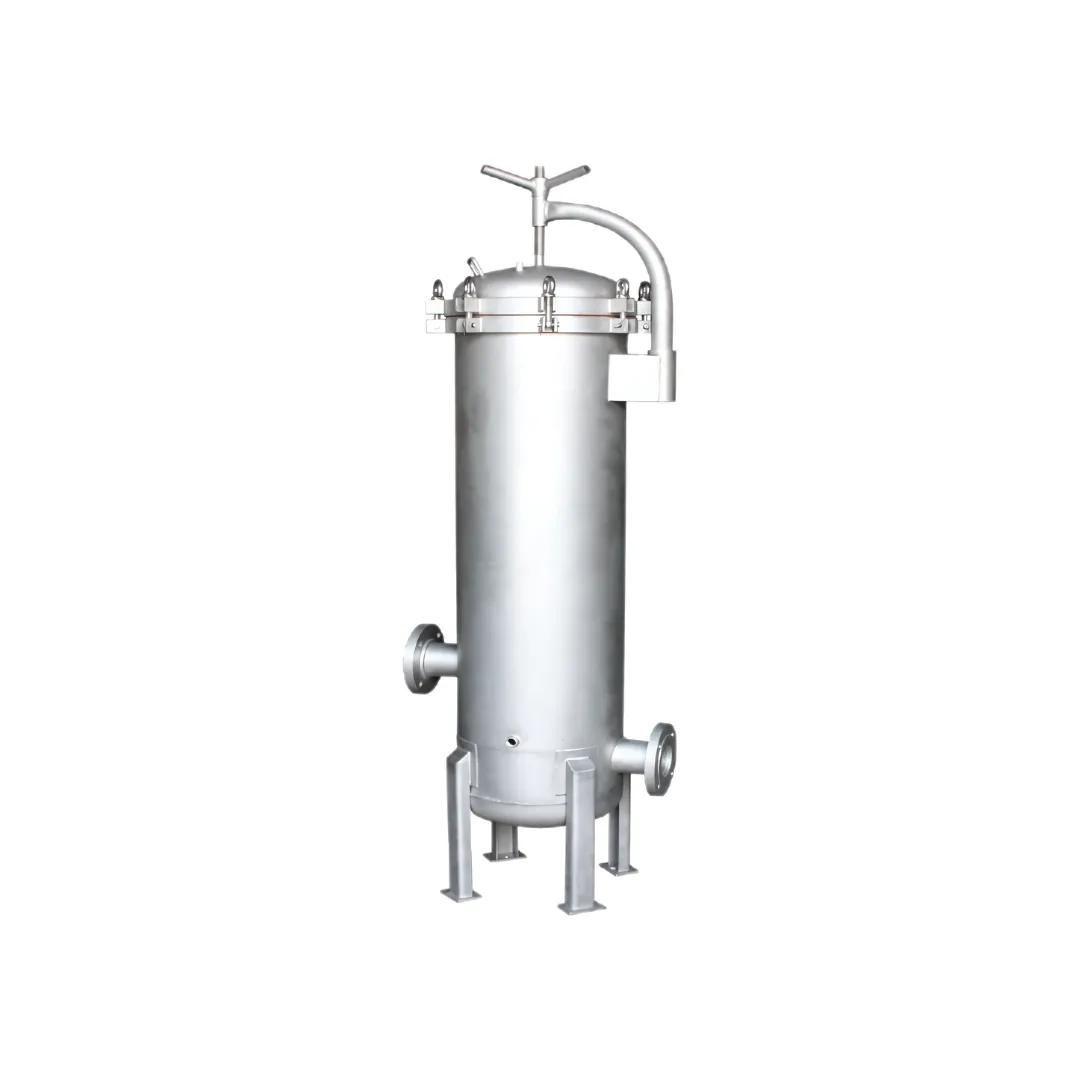
For high-volume applications, a multi cartridge filter housing or a multi bag filter housing offers the combination of capacity and operational flexibility that single-unit housings cannot provide.
3. Match the Housing Type to Your Application
Understanding the different housing types and where they genuinely perform best will save you from costly trial and error. Each design exists for a reason, and choosing based on application rather than price alone leads to better long-term outcomes.
|
Housing Type |
Best Application |
Common Industries |
| Single Cartridge | Precise micron-rated filtration, lower flow volumes | Pharmaceutical, drinking water, electronics |
| Multi Cartridge | Consistent particle removal at higher flow rates | Water treatment, chemical processing, industrial |
| Single Bag | Higher solids loading with lower pressure drop | Paint, coatings, food and beverage, cooling water |
| Multi Bag | Bulk or continuous-flow pre-filtration | Industrial water, manufacturing, petrochemical |
| High Flow Cartridge | Large volume with cartridge-level filtration precision | Municipal water, large utilities, industrial plants |
| Sanitary Cartridge | Hygienic processes, CIP and SIP compatible | Food and beverage, pharmaceutical, dairy |
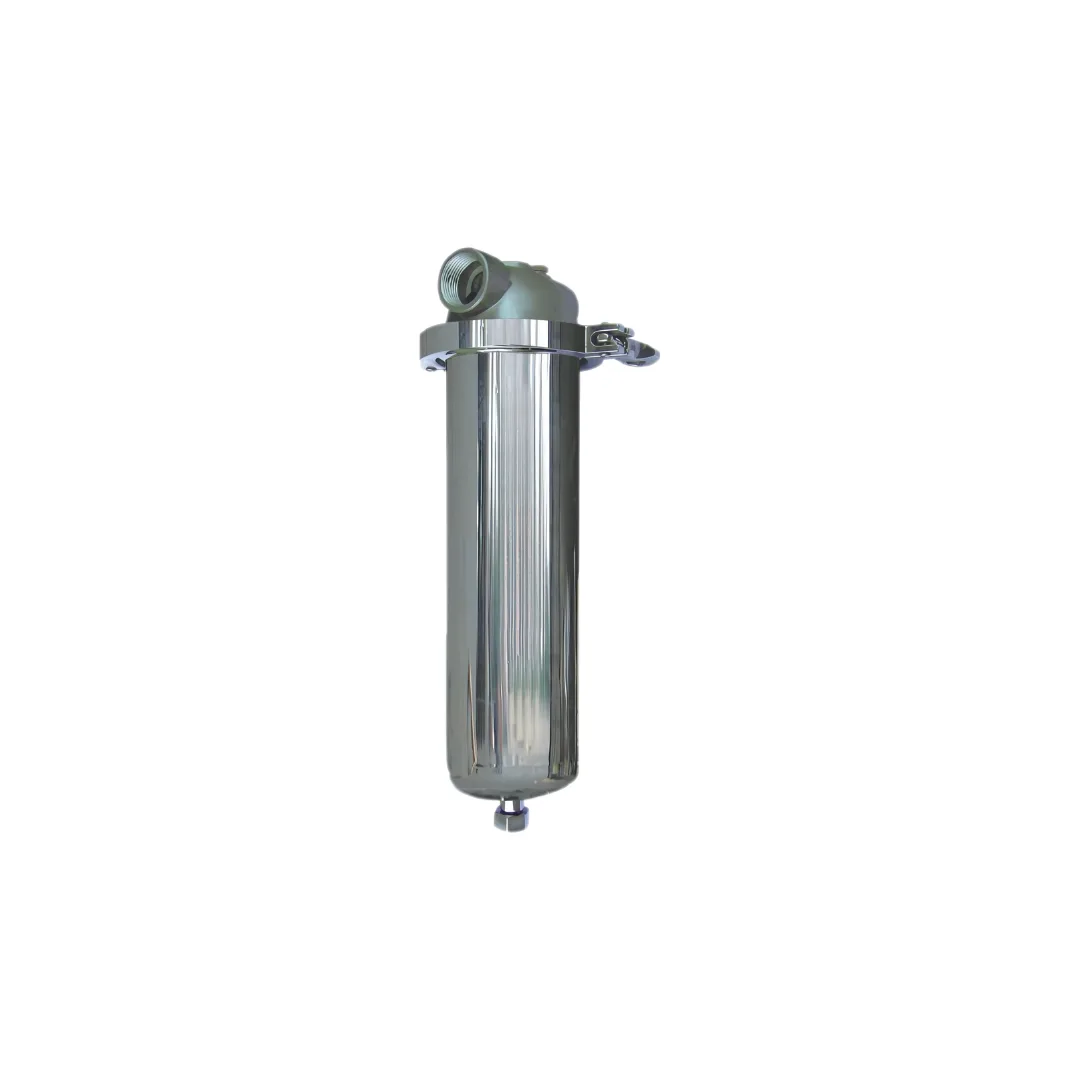
For precision filtration at lower flow rates, a single cartridge filter housing is a practical and proven choice. If your process requires frequent filter changes at high volume and you want to reduce downtime, a high flow cartridge filter housing reduces element count and simplifies maintenance significantly.
4. Industry-Specific Requirements You Cannot Afford to Overlook
Different industries operate under different sets of rules, standards, and expectations. What is acceptable in a general industrial water treatment plant is not acceptable in a pharmaceutical cleanroom. Understanding the requirements specific to your sector before you purchase protects you from compliance issues and expensive retrofits later.
| Industry | Key Requirement | What to Look For |
| Food and Beverage | Food-contact material compliance, cleanability | Sanitary connections, smooth electropolished internal finish, CIP compatibility |
| Pharmaceutical and Biotech | Regulatory documentation, surface finish standards | 316L grade, Ra-rated internal finish, full material certification |
| Water Treatment and Utilities | Durability, handling variable feed water quality | Versatile configuration options, pressure-rated construction |
| Chemical Processing | Chemical compatibility, corrosion resistance | SS316 minimum, check against specific chemical exposure |
| Oil and Gas | High pressure, elevated temperature, robust build | Heavy-duty housing construction, high MAWP rating |
| Semiconductor and Electronics | Ultrapure water, zero contamination risk | High-purity 316L, electropolished surfaces, tight micron ratings |
5. Ease of Maintenance Matters More Than Most Buyers Realise
A technically excellent filter housing that is difficult to maintain in practice will create problems over time. Maintenance that is inconvenient tends to be deferred, and deferred maintenance in a filtration system leads to bypassing, contamination, and unplanned downtime.
Before finalising your selection, evaluate the following:
- Access and opening mechanism: Does the housing require special tools to open, or is there a quick-open closure option? For operations requiring frequent element changes, quick-open designs reduce labour time significantly.
- Element changeout process: How straightforward is it to remove and replace cartridges or bags without contaminating the downstream process or exposing workers to the filtered fluid?
- Drain and vent ports: Does the housing include a bottom drain valve for easy fluid removal during maintenance? Vent ports at the top allow air purging, which matters for consistent flow.
- Pressure gauge connection: A gauge port lets you monitor differential pressure and know exactly when an element needs changing, rather than guessing based on a schedule.
- CIP and SIP compatibility: If your process requires periodic cleaning or sterilisation without disassembly, confirm the housing design supports this before purchasing.
Quick Selection Checklist
Before placing an order, run through this checklist to confirm you have covered the key decisions:
- Process fluid type and chemical properties identified
- Correct stainless steel grade confirmed (304, 316, or 316L)
- Flow rate and operating pressure requirements documented
- Housing type selected based on application (cartridge, bag, high flow, sanitary)
- Industry compliance and certification requirements reviewed
- Maintenance access, changeout process, and port requirements considered
- Confirmed whether standard sizing applies or a custom specification is needed
Conclusion
Choosing the right stainless steel filter housing is not a complicated process when you approach it systematically. It starts with understanding your fluid and operating conditions, then works through housing type, industry requirements, and practical maintenance considerations. Each step narrows the options and leads you toward a solution that performs reliably over the long term.
At Recalyx, we supply a comprehensive range of stainless steel filter housings designed for industrial use across water treatment, food processing, pharmaceutical, chemical, and many other sectors. Whether you are looking for a standard off-the-shelf configuration or need something built to a specific requirement, our team is here to help you find the right fit.
FAQs
What is the difference between SS304 and SS316 filter housings?
SS304 is suitable for general water treatment and mild industrial applications, while SS316 offers superior resistance to chlorides, chemicals, and corrosive environments. SS316 is often preferred for chemical processing, marine, and pharmaceutical applications.
How do I choose the right filter housing size?
The correct filter housing size depends on your required flow rate, operating pressure, filtration micron rating, and maintenance requirements. Higher flow applications may require multi-cartridge or multi-bag filter housings to maintain efficiency and reduce pressure drop.
When should I use a cartridge filter housing instead of a bag filter housing?
Cartridge filter housings are generally used for finer filtration and lower particle loading, while bag filter housings are better suited for applications with higher solids content and larger contaminant loads. The choice depends on your filtration objectives and process conditions.
How long does a stainless steel filter housing last?
A high-quality stainless steel filter housing typically lasts 10 to 25 years or more when properly maintained and operated within its design specifications. Factors such as fluid compatibility, operating pressure, temperature, corrosion exposure, and maintenance frequency can significantly affect service life.
What are the benefits of using stainless steel over plastic filter housings?
Compared to plastic alternatives, stainless steel filter housings generally offer greater mechanical strength, longer service life, higher pressure and temperature ratings, and improved resistance to harsh industrial environments.