
How Industrial Filtration Improves Production Efficiency and Lowers Costs
In industrial environments, filtration is often treated as a supporting system rather than a performance driver. However, in manufacturing, processing, and heavy industry operations, industrial filtration plays a direct role in productivity, operational stability, and long-term cost control. Poor filtration leads to unplanned downtime, equipment wear, product defects, and compliance risks, all of which impact profitability.
For facilities that rely on continuous operations, the right industrial filtration equipment helps improve efficiency while keeping operating costs under control.
Minimising Downtime Through Effective Filtration
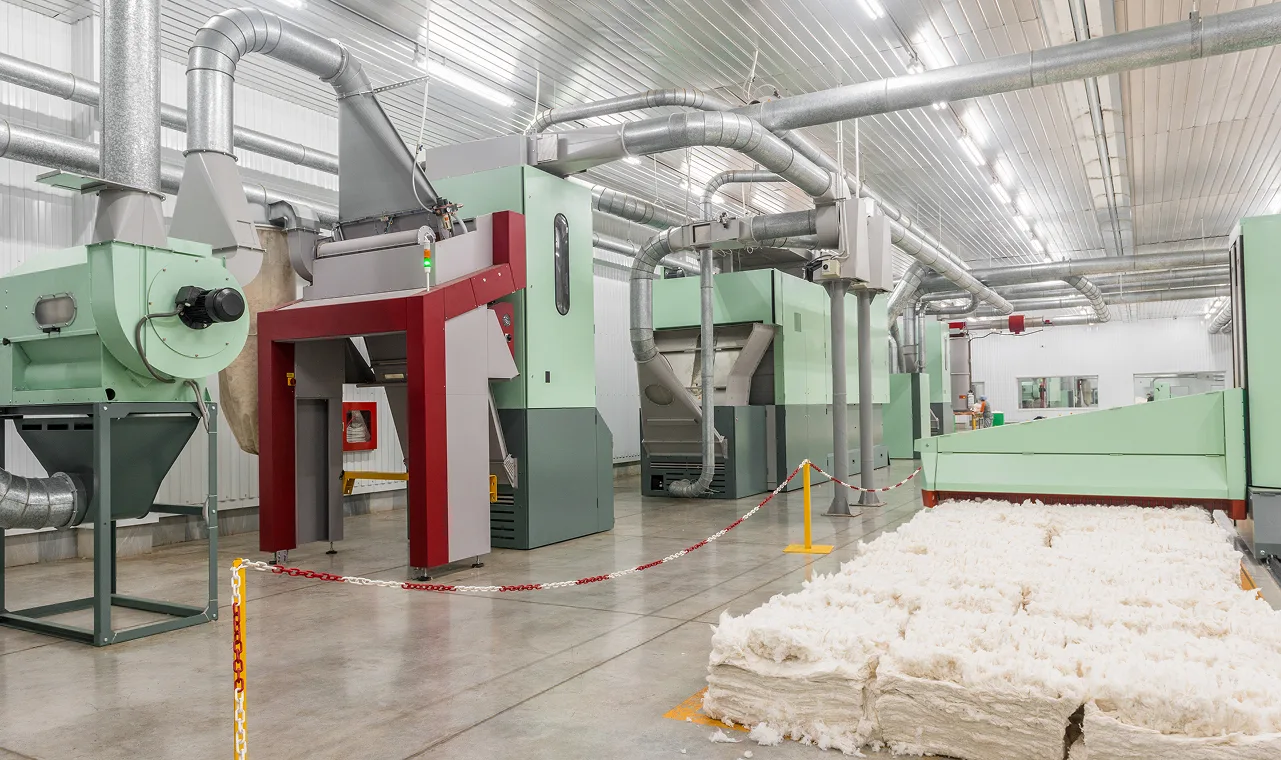
Unplanned downtime is one of the most expensive challenges in industrial operations. Contaminants such as dust, particulates, oil mist, or chemical residues can clog systems, damage components, and cause equipment failure.
Industrial filtration systems are designed to remove these contaminants before they affect critical machinery. By keeping fluids, air, and process streams clean, filtration reduces the likelihood of sudden breakdowns and extends the operating life of equipment. Fewer shutdowns mean smoother production schedules, higher output, and more predictable operations.
For industries such as manufacturing, power generation, and processing plants, even a short production halt can result in significant financial losses. Reliable filtration systems help maintain consistent uptime and protect production flow.
Extending Equipment Lifespan and Reducing Maintenance Costs
Industrial equipment operates under harsh conditions, often exposed to high temperatures, pressure, and contaminants. Without proper filtration, abrasive particles and impurities accelerate wear on pumps, compressors, valves, and other components.
High-quality industrial filtration equipment removes harmful contaminants early in the process, reducing friction, corrosion, and component stress. This leads to longer equipment lifespans and fewer replacements over time.
Lower wear also translates into reduced maintenance frequency. Instead of reactive repairs, maintenance teams can plan service intervals more effectively, lowering labour costs and minimising spare parts inventory.
Improving Process Efficiency and Output Quality
Contamination does not only affect machinery, it also impacts product quality. In many industrial processes, even small particles or impurities can cause defects, inconsistencies, or batch rejections.
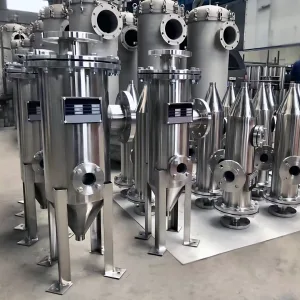
Filtration ensures stable process conditions by maintaining clean air, liquids, or gases throughout production. This results in:
- More consistent product quality
- Reduced scrap and rework
- Higher yield per production run
For industries with strict quality standards, such as electronics, chemicals, or food-related manufacturing, effective filtration supports compliance and customer satisfaction while reducing material waste.
Supporting Environmental and Regulatory Compliance
Industrial operations are subject to increasingly strict environmental and safety regulations. Emissions, waste discharge, and workplace air quality are closely monitored by authorities.
Industrial filtration equipment helps facilities meet regulatory requirements by capturing pollutants before they are released into the environment. This includes dust collection, oil mist filtration, and liquid process filtration.
By maintaining compliance, companies avoid fines, production stoppages, and reputational risks. More importantly, effective filtration contributes to safer working environments and sustainable operations.
Lower Total Cost of Ownership Over Time
While industrial filtration systems require upfront investment, their long-term financial impact is often underestimated. When evaluated over the full lifecycle, effective filtration delivers cost savings in multiple areas:
Reduced downtime and lost production
- Lower maintenance and repair costs
- Extended equipment lifespan
- Reduced energy consumption
- Lower waste and rejection rates
When these factors are combined, filtration becomes a cost-saving solution rather than an expense.
Custom Filtration Solutions for Different Industrial Needs
Filtration requirements vary based on industry, application, operating conditions, and contamination type. An experienced industrial filtration equipment supplier understands these differences and provides solutions tailored to specific operational challenges. This includes selecting appropriate filtration media, system configurations, and maintenance strategies to match production demands.
Customised filtration ensures that systems perform efficiently without overengineering or unnecessary complexity, keeping costs controlled while maximising performance.
Conclusion
Industrial filtration plays a key role in maintaining efficient, reliable, and cost-effective operations. By controlling contaminants, equipment runs more consistently, downtime is reduced, and product quality remains stable, leading to lower maintenance needs and better energy efficiency over time.
For facilities looking to improve system reliability and control operating costs, Recalyx is a trusted industrial filtration equipment supplier for demanding industrial applications.
FAQs
What industries benefit most from industrial filtration systems?
Industrial filtration systems are essential in manufacturing, chemical processing, power generation, food and beverage production, and electronics industries to ensure equipment reliability and product quality.
Can industrial filtration help lower energy and maintenance costs?
Yes. Clean systems operate more efficiently, reducing energy consumption and wear on equipment, which lowers maintenance and repair expenses.
Where can I get industrial filtration equipment in Malaysia?
Recalyx is a trusted industrial filtration equipment supplier in Malaysia, offering systems and support for various industrial applications and operational needs.